
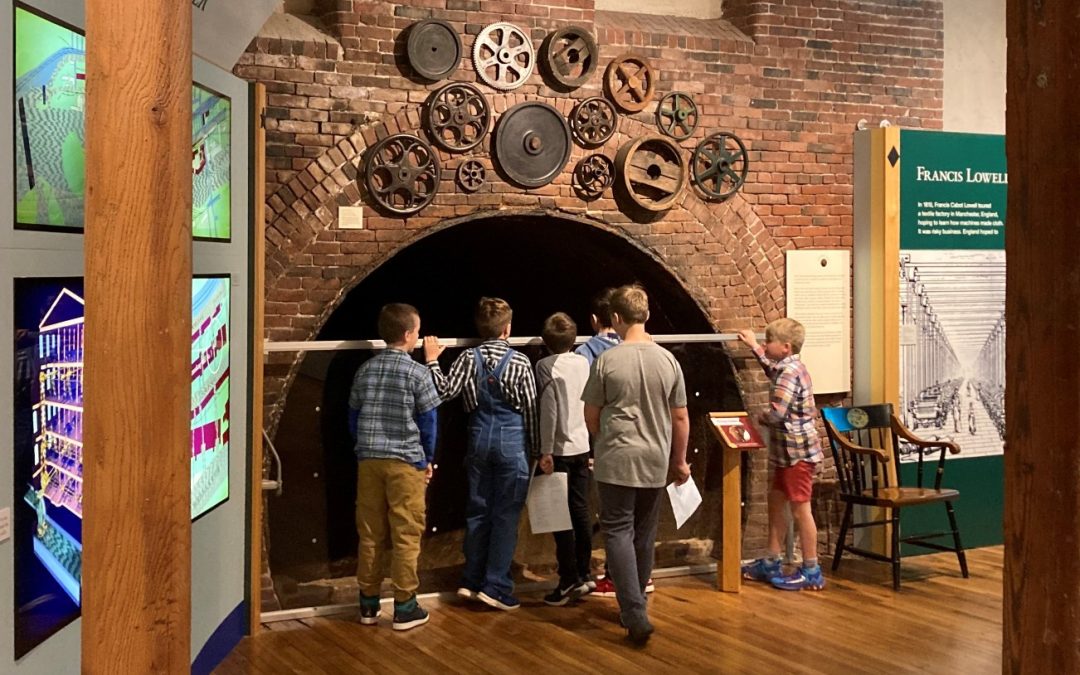
“From Derryfield’s contributions to the American Revolution to the rise of one of the largest textile manufacturing operations in the world, Manchester’s past is as layered as the city itself,” noted Jeff Barraclough, Executive Director of the Manchester Historic Association.
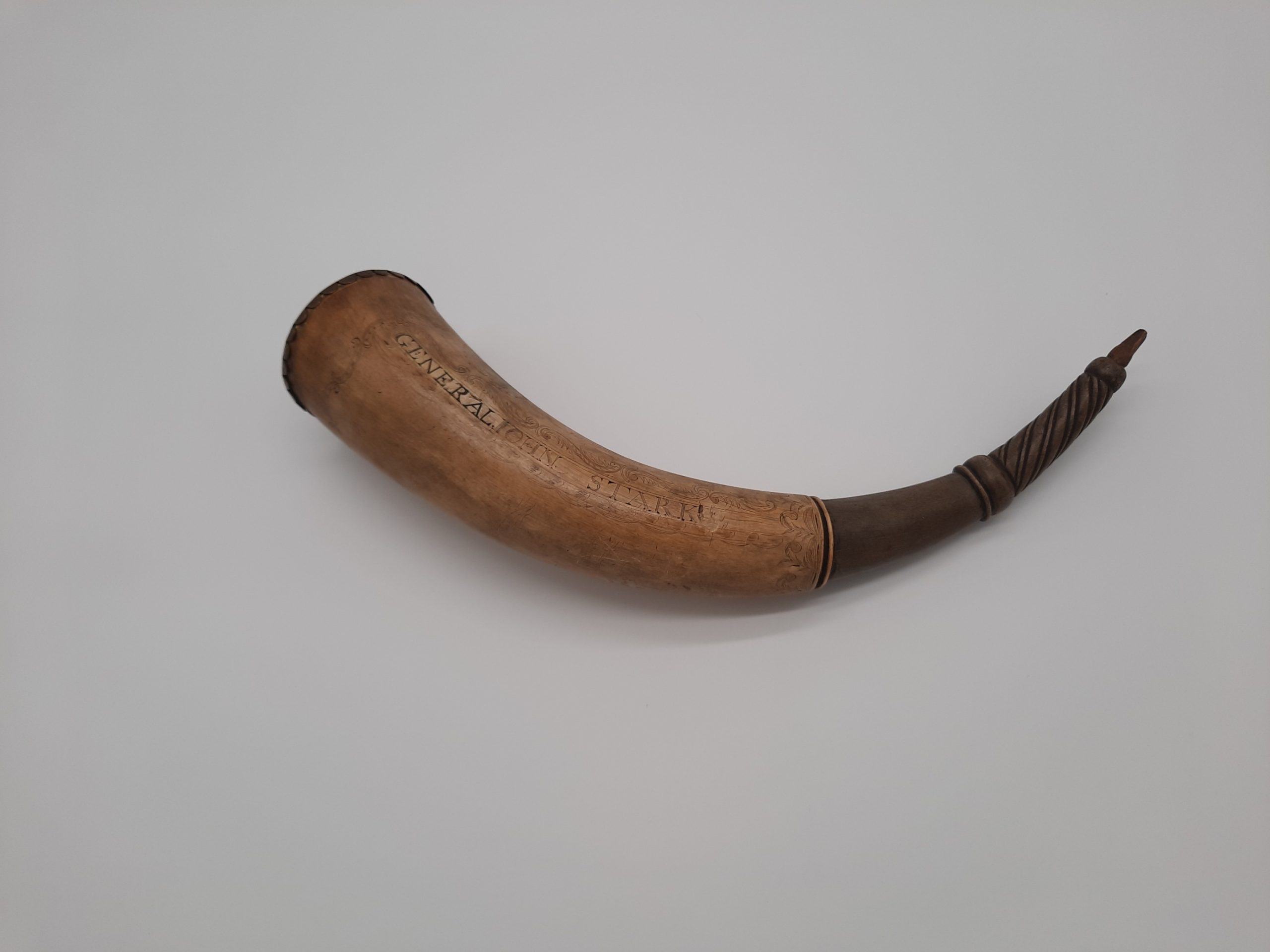
Known as Derryfield during the Revolutionary War era, the area produced John Stark, one of the war’s notable military figures. That connection to the American Revolution remains a thread woven through the museum’s mission and, this year, its special exhibit, “Reflections of the Revolution: the Derryfield Perspective.”
“Our story doesn’t end when the mills closed—it runs right through the biotech companies in the millyard today,” said Barraclough, who first joined the institution in 2011. “This fall, we become part of the mandatory civics course for every Manchester freshman, so it’s exciting to introduce the next generation to the living history of this incredible city.”
Open Tue – Sat, 10:00 a.m. to 4:00 p.m., the Millyard Museum is operated by the Manchester Historic Association, a nonprofit dedicated to collecting, preserving, and sharing the history of Manchester, New Hampshire.